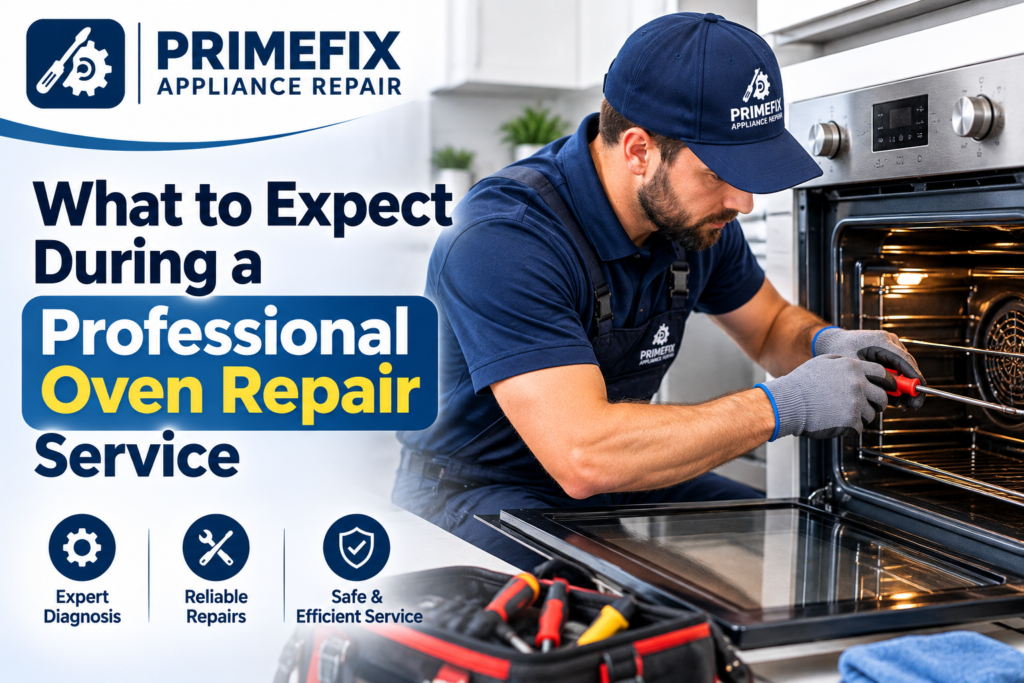
An oven is an important appliance in any kitchen. Whether you use it to prepare daily meals, bake food, or cook for family gatherings, you depend on it to work properly. However, like other household appliances, ovens can develop problems over time. They may stop heating, cook food unevenly, make unusual noises, or fail to turn on.
When these issues happen, professional repair can help restore your oven’s performance. If you have never booked an appliance repair service before, you may wonder what happens during the visit. Understanding the process can help you feel prepared and know what to expect. This guide explains the main steps involved in a professional oven repair service.
Initial Discussion About the Oven Problem
The repair process usually begins with a discussion about the issue you are experiencing. The technician may ask questions about your oven, how long the problem has been happening, and whether you have noticed any unusual changes.
For example, you may explain that the oven takes too long to heat, the temperature does not stay consistent, or the appliance shuts off during cooking. These details help the technician understand the symptoms before starting the inspection.
You should also mention any unusual smells, sounds, error codes, or visible damage. Providing clear information can help make the inspection more focused and efficient.
Inspection of the Oven and Its Components
After discussing the problem, the technician will inspect the oven to identify the possible cause. This is an important part of the repair process because the same symptom can have different causes.
For example, an oven that does not heat properly may have a damaged heating element, faulty temperature sensor, or electrical issue. In a gas oven, the problem could involve the igniter or another gas-related component.
The technician may check the following parts:
- Heating elements and temperature sensors
- Door hinges, seals, and glass
- Control panel and buttons
- Electrical connections
- Gas ignition components, where applicable
- Internal wiring and other visible parts
A proper inspection helps the technician understand what needs attention before recommending a repair.
Finding the Cause of the Problem
Once the inspection is complete, the technician will work to determine why the oven is not operating correctly. This may involve testing specific components and checking how the appliance responds during normal operation.
Sometimes, the issue is caused by a single damaged part. In other cases, several components may contribute to the problem. For example, uneven cooking could be related to a heating element, temperature sensor, or airflow issue.
Finding the actual cause is important because replacing parts without proper diagnosis may not solve the problem. A professional technician can explain the findings and recommend a suitable repair.
Explaining the Repair Options and Cost
Before starting the repair, the technician should explain what is wrong with the oven and what work may be required. This gives you a chance to understand the problem and make an informed decision.
The repair estimate may depend on the type of oven, the damaged component, replacement part availability, and the amount of labor involved.
Ask questions if you are unsure about the recommended repair. You can also discuss whether repairing the oven is a practical choice compared with replacing it. A clear explanation of the expected work and cost helps avoid confusion during the service.
Performing the Necessary Repairs
After you approve the repair, the technician can begin working on the oven. The exact steps depend on the issue and the appliance model.
For example, the repair may involve replacing a faulty heating element, fixing a door seal, addressing an electrical connection, or replacing a damaged control component.
Technicians use suitable tools and follow safety procedures when working with electrical and gas appliances. Some repairs may take less time, while more complicated problems can require additional work or replacement parts.
If a required component is not available during the visit, the technician may need to arrange another appointment once the part is ready.
Testing the Oven After Repair
Repair work is not complete until the oven has been checked. After fixing the problem, the technician may test the appliance to confirm that the affected functions are working properly.
Depending on the repair, this may include checking the heating performance, temperature settings, control panel, door operation, and other relevant features.
Testing helps confirm whether the repair has addressed the original issue. It also gives the technician an opportunity to identify any remaining problems that may need attention.
Getting Maintenance Tips for Better Performance
Before the service is complete, the technician may share simple maintenance tips to help keep your oven in good condition.
Here are a few useful habits:
- Clean food spills after the oven cools down.
- Avoid using harsh cleaning products unless recommended by the manufacturer.
- Check the door seal for visible damage.
- Do not cover important vents or airflow openings.
- Follow the manufacturer’s instructions for cleaning and maintenance.
- Arrange professional inspection if you notice repeated performance problems.
Regular care can help reduce unnecessary wear and support the proper operation of your appliance.
When Should You Schedule Professional Oven Repair?
You should consider professional service when your oven does not heat, cooks food unevenly, has a damaged door, displays repeated error codes, or develops electrical or gas-related problems.
Avoid attempting complicated repairs yourself, especially when they involve internal wiring, heating components, or gas connections. These parts can create safety risks if handled incorrectly.
If you need Oven Repair in Bridgeville PA, PrimeFix Appliance Repair can help inspect your appliance, identify the problem, and recommend an appropriate repair solution.
Get Professional Oven Repair With PrimeFix Appliance Repair
Knowing what to expect during an oven repair visit makes the process easier. From the initial discussion and inspection to diagnosis, repair, and final testing, each step helps ensure that the appliance receives the attention it needs.
If your oven is not working as expected, do not ignore the warning signs. Contact PrimeFix Appliance Repair to discuss your oven concerns and arrange professional appliance repair in Bridgeville, PA.